

Revolutionary Tea Collection
IN RECOGNITION OF AMERICA’S 250TH ANNIVERSARY.
The collection highlights six historic Westchester sites with roots in the late 18th century, along with a seventh blend honoring the tall ships set to arrive in New York Harbor this summer. Each tea has been thoughtfully crafted to showcase ingredients that were used during the era—whether in everyday abundance or as rare and treasured additions.





About the Properties.
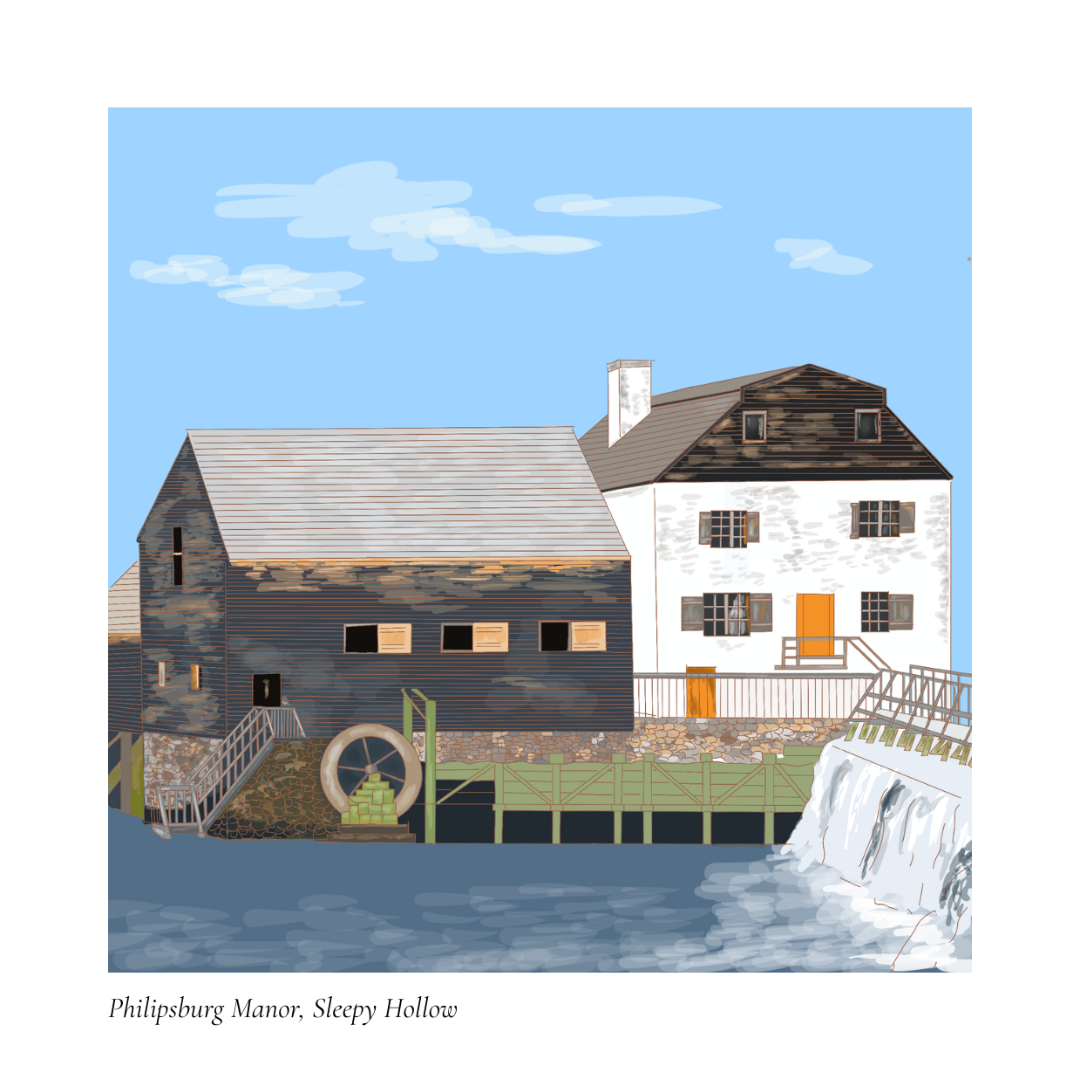
Philipsburg Manor
A thriving 18th-century milling and trading complex, Philipsburg Manor reflects the economic life of colonial New York and its ties to global trade on the eve of the Revolutionary era. Tea features papaya and pineapple.
Philipse Manor Hall
Once the seat of the prominent Philipse family, this grand manor became a focal point during the Revolution, later serving as a courthouse after Loyalist lands were confiscated. Tea features apricot.
Old Dutch Church
Dating to the late 17th century, this historic church and its burial ground witnessed the tensions of the Revolutionary period and remain a powerful symbol of the region’s early colonial community. Tea features vanilla.
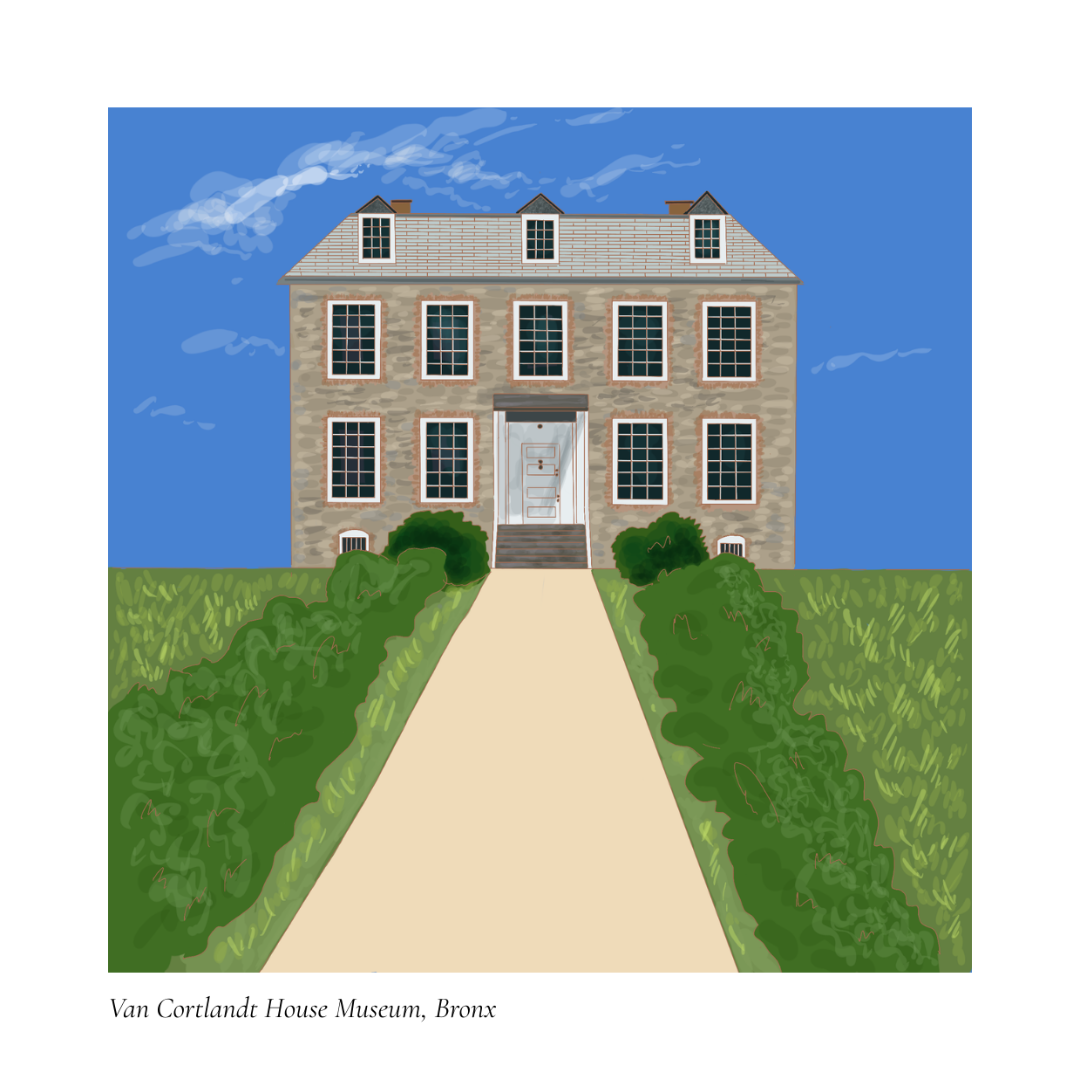
Van Cortlandt House Museum
Built in 1748, this is the oldest surviving house in the Bronx and served as a strategic headquarters for both Patriot and British forces during the Revolutionary War. Tea features apple.
Jacob Purdy House
Used by General George Washington as a headquarters in 1776, this modest home played a key role during critical moments of the New York campaign. Tea features mint.
Miller House
Constructed in the 18th century, the Miller House stands as a reminder of local life during the Revolutionary era and the everyday experiences of those living through a time of upheaval and was also host to General George Washington. Tea features strawberry.
About the Ingredients.
Papaya & Pineapple
Exotic fruits like papaya and pineapple were rare luxuries in the 18th century, imported through transatlantic trade routes and enjoyed primarily by the wealthy as symbols of status and global reach.
Apple
Widely grown throughout colonial America, apples were a staple fruit used for cider, preserves, and daily sustenance, making them a familiar and essential part of 18th-century life.
Strawberries
Native to the region and foraged or cultivated in small gardens, strawberries were a seasonal treat often enjoyed fresh or preserved in early American households.
Vanilla
A prized and costly import in the 18th century, vanilla traveled from tropical regions and was used sparingly to flavor desserts and beverages among those who could afford it.
Mint
Commonly grown in colonial kitchen gardens, mint was valued for both its culinary uses and medicinal properties, frequently brewed into herbal teas.
Apricots
Cultivated in select orchards and gardens, apricots were less common but appreciated for their delicate flavor, often preserved or dried to extend their enjoyment beyond the harvest season.
——-
Tall Ships and Darjeeling
The tall ships will sail into New York Harbor in early July to mark America’s 250th anniversary. While Darjeeling was not available in America during the Revolutionary era, its reputation as the “champagne of teas” makes it a fitting tribute to this semiquincentennial celebration.